Contact Me By Email

Saturday, September 03, 2016

What the SpaceX Explosion Means for Elon Musk and Mark Zuckerberg - The New Yorker

The combustion of the AMOS-6 satellite is bad for Facebook’s Internet.org initiative, but not fatally so. The prospects for Elon Musk’s galactic ambitions are less clear.


“Space is hard.” It’s a common refrain among the orbitally inclined. The billionaire Richard Branson said it when Virgin Galactic’s SpaceShipTwo crashed in the Mojave Desert in the fall of 2014, killing one test pilot and seriously injuring another. The astronaut Scott Kelly said it last June, when a SpaceX rocket carrying supplies to him and his colleagues aboard the International Space Station disintegrated in midflight. Charles Bolden, the administrator of NASA, said it this April, in a speech about the challenges of space exploration in the twenty-first century. On Thursday, the moment was right to spit-polish the adage and trot it out once again. At 9:07 A.M. that morning, during a pre-flight test, a rocket designed and built by SpaceX, a private aerospace company, exploded at Cape Canaveral Air Force Station, in Florida. A fireball emanated from the rocket’s second stage—the narrow neck just below the bulging payload at the top—and, fed by kerosene and liquid oxygen, consumed the rest of the vehicle. The area was clear of personnel at the time, as protocol requires, so there were no injuries. In the footage of the mishap, which SpaceX has called an “anomaly,” birds wheel through the sky and sing brightly as the rocket burns. Cape Canaveral abuts several wildlife refuges; presumably the fauna there have become accustomed to the thundering sound of human failure."


What the SpaceX Explosion Means for Elon Musk and Mark Zuckerberg - The New Yorker

New Samsung Gear VR review with the Note 7 ( the evolution of the Gear VR)

Wednesday, August 31, 2016

Samsung Gear S3 Hands-on: Beauty Takes Over Geeky

The Country’s Worst Voting Restrictions Won’t Be In Effect This November | The Nation

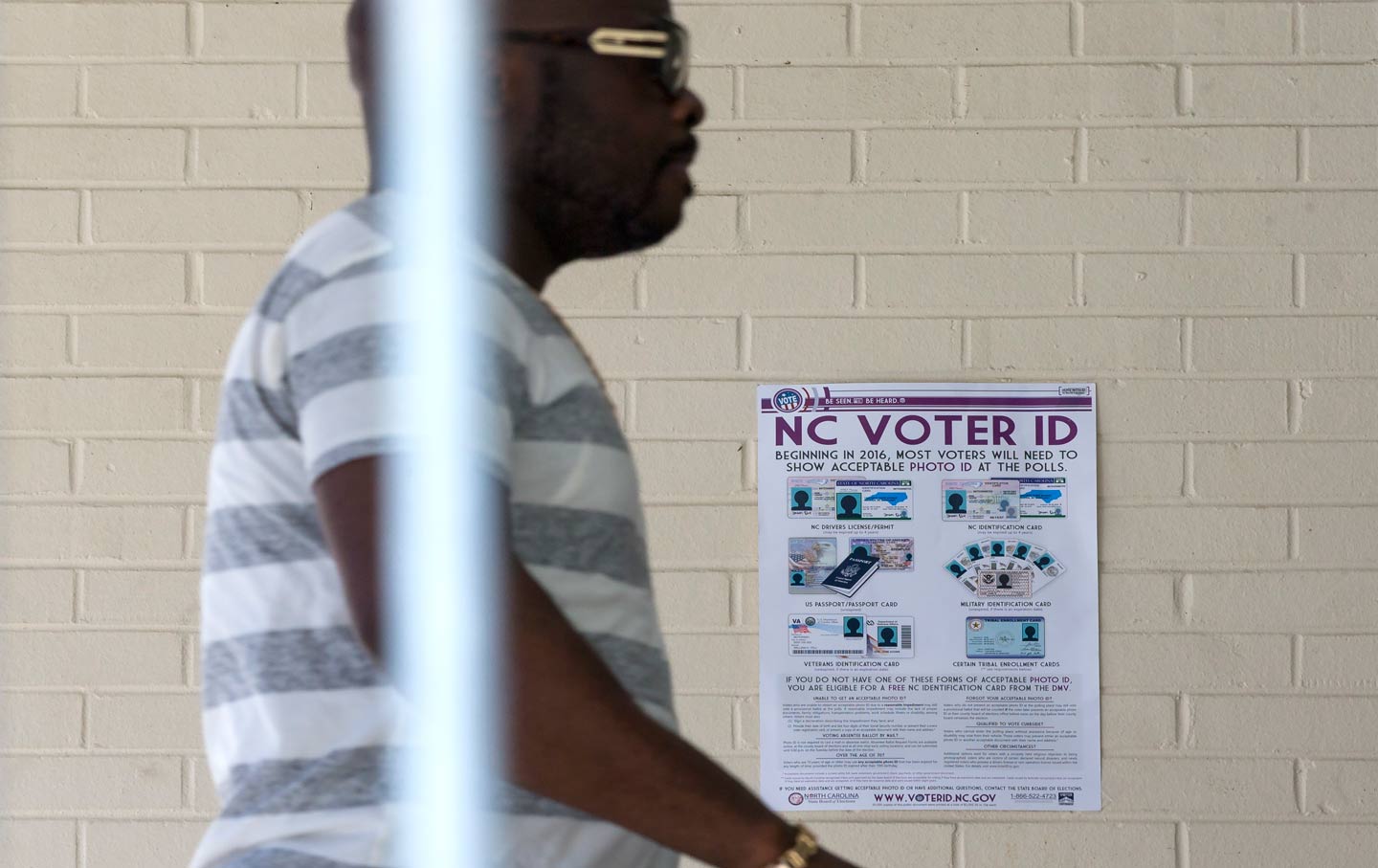
North Carolina vote sign


"On July 29, the US Court of Appeals for the Fourth Circuit struck down North Carolina’s sweeping voting restrictions, saying they targeted black voters “with almost surgical precision.” The decision was the most significant victory for voting rights since the Supreme Court gutted the Voting Rights Act.


Today the Supreme Court declined to reinstate three key voting restrictions that had been appealed by North Carolina—the state’s voter-ID law, cutbacks to early voting and elimination of preregistration for 16- and-17-year-olds. The Court deadlocked 4-4, which upholds the Fourth Circuit ruling. The death of Justice Scalia left conservatives short of the five votes they needed—Justice Thomas would’ve reinstated all of the restrictions, while Justices Roberts, Kennedy, and Alito would’ve reinstated everything except the elimination of preregistration."


The Country’s Worst Voting Restrictions Won’t Be In Effect This November | The Nation

Samsung Gear S3 is a supersized smartwatch that brings Spotify and GPS to your wrist (hands-on) - CNET


Samsung Gear S3 is a supersized smartwatch that brings Spotify and GPS to your wrist (hands-on) - CNET

HP Spectre x2 Six Months Later: Is it Still Worth It? Vol. 2

Apple, Congress and the Missing Taxes - The New York Times

"Apple and the United States are crying foul over the ruling in Europe that Apple received illegal tax breaks from Ireland and must hand over 13 billion euros ($14.5 billion), a record tax penalty in Europe.


But Apple and the United States have only themselves to blame for the situation.


"Apple has engaged in increasingly aggressive tax avoidance for at least a decade, including stashing some $100 billion in Ireland without paying taxes on much of it anywhere in the world, according to a Senate investigation in 2013. In a display of arrogance, the company seemed to believe that its arrangements in a known tax haven like Ireland would never be deemed illegal — even as European regulators cracked down in similar cases against such multinational corporations as Starbucks, Amazon, Fiat and the German chemical giant BASF.


Congress, for its part, has sat idly by as American corporations have indulged in increasingly intricate forms of tax avoidance made possible by the interplay of an outmoded corporate tax code and modern globalized finance. The biggest tax dodge in need of reform involves deferral, in which American companies can defer paying taxes on foreign-held profits until those sums are repatriated.


Initially, deferral was a convenience for multinationals, as they sought investment opportunities abroad. Today, it is the taproot of global tax avoidance. Financial engineering has let American companies shift profits into foreign accounts, while they lobby Congress for tax-rate cuts in exchange for repatriating the money. Currently, there is some $2 trillion in corporate profits in offshore tax-deferred accounts; besides Apple, Microsoft, Google, Cisco and Oracle also have large stashes. Apple is one of nearly two dozen major corporations pushing Congress for a “tax holiday,” which would let companies bring back foreign-held money over the course of a year at a discounted tax rate, rather than the current rate, 35 percent."


Apple, Congress and the Missing Taxes - The New York Times