Tuesday, May 09, 2017


The Echo Show’s killer feature is next-level FaceTime - The Verge
/cdn0.vox-cdn.com/uploads/chorus_image/image/54693537/Untitled.0.png)
"Earlier today, Amazon made its long-rumored screen-based Echo device official. The Echo Show is basically a cuboid Echo with a touchscreen and camera attached to it. It supports all of the far-field voice commands as the original, so you can use it to play music, control smart home gadgets, add items to a shopping list, check the weather, and do thousands of other things.
The new screen provides a way for the Show to display its answers in addition to speaking them aloud. It will display cards for the weather, products to buy on Amazon, videos on YouTube, and whatever else developers think of.
But what’s most interesting to me is its ability to be used as a calling device, or, in more traditional terms, a video phone. Along with the Echo Show, Amazon is launching a new communications platform for Alexa devices, which allows for calling and messaging between Echo units and smartphones that have the Alexa app installed. A feature called Drop In lets the devices connect instantly, without requiring someone to “answer” the call. This allows the Echo Show to be an always-ready, internet-connected video intercom that I can call from anywhere in the world using my smartphone."
The Echo Show’s killer feature is next-level FaceTime - The Verge
Monday, May 08, 2017
Saturday, May 06, 2017
Friday, May 05, 2017
Regulating the internet giants: The world’s most valuable resource is no longer oil, but data | The Economist

"A NEW commodity spawns a lucrative, fast-growing industry, prompting antitrust regulators to step in to restrain those who control its flow. A century ago, the resource in question was oil. Now similar concerns are being raised by the giants that deal in data, the oil of the digital era. These titans—Alphabet (Google’s parent company), Amazon, Apple, Facebook and Microsoft—look unstoppable. They are the five most valuable listed firms in the world. Their profits are surging: they collectively racked up over $25bn in net profit in the first quarter of 2017. Amazon captures half of all dollars spent online in America. Google and Facebook accounted for almost all the revenue growth in digital advertising in America last year.
Such dominance has prompted calls for the tech giants to be broken up, as Standard Oil was in the early 20th century. This newspaper has argued against such drastic action in the past. Size alone is not a crime. The giants’ success has benefited consumers. Few want to live without Google’s search engine, Amazon’s one-day delivery or Facebook’s newsfeed. Nor do these firms raise the alarm when standard antitrust tests are applied. Far from gouging consumers, many of their services are free (users pay, in effect, by handing over yet more data). Take account of offline rivals, and their market shares look less worrying. And the emergence of upstarts like Snapchat suggests that new entrants can still make waves."
Regulating the internet giants: The world’s most valuable resource is no longer oil, but data | The Economist
Thursday, May 04, 2017
Wednesday, May 03, 2017
Google Docs users hit with sophisticated phishing attack - The Verge
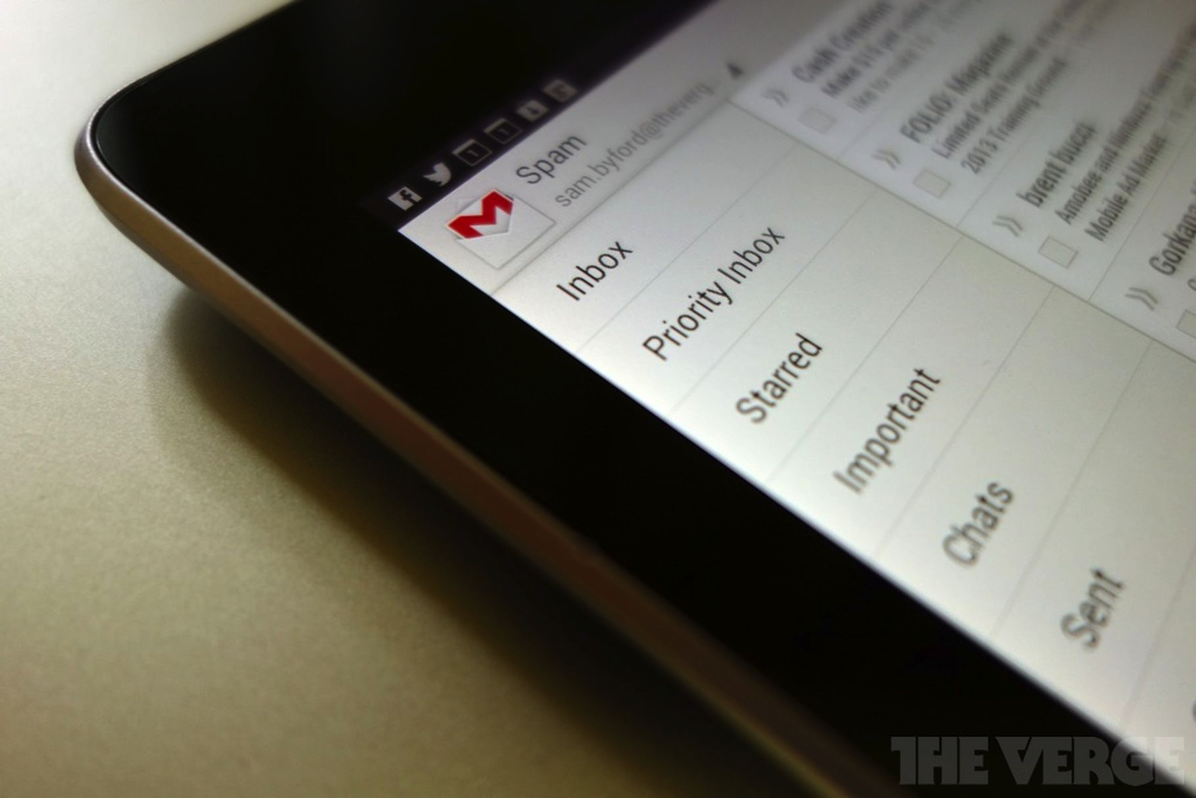
"If someone invites you to edit a file in Google Docs today, don’t open it — it may be spam from a phishing scheme that’s been spreading quickly this afternoon. As detailed on Reddit, the attack sends targets an emailed invitation from someone they may know, takes them to a real Google sign-in screen, then asks them to ‘continue to Google Docs.’ But this grants permissions to a (malicious) third-party web app that’s simply been named ‘Google Docs,’ which gives phishers access to your email and address book.
The key difference between this and a very simple email phishing scheme is that this doesn’t just take you to a bogus Google page and collect your password — something you could detect by checking the page URL. It works within Google’s system, but takes advantage of the fact that you can create a non-Google web app with a misleading name. Here’s what the permissions screen looks like, for example:"
(Via.). Google Docs users hit with sophisticated phishing attack - The Verge:
Tuesday, May 02, 2017
Sunday, April 30, 2017
Saturday, April 29, 2017
What Trump’s first 100 days have meant for tech, science, and the future
What Trump’s first 100 days have meant for tech, science, and the future