These 5 Game-Changing APS-C Cameras Prove Full Frame Isn't Everything
“The article describes five game-changing APS-C cameras that prove that full frame isn't everything. These cameras offer professional-grade image quality, advanced autofocus systems, and features like 4K video recording. Additionally, APS-C cameras are more compact, lightweight, and affordable than full frame cameras, making them a great choice for photographers and videographers who prioritize portability and versatility.

The camera industry has been pushing full frame sensors so hard that many photographers think anything smaller is automatically inferior. Here are five remarkable APS-C cameras that deliver professional results while offering advantages that even the best full frame cameras can't match.
Fujifilm X-T5
The Fujifilm X-T5 proves that resolution wars aren't just for full frame cameras anymore. This compact powerhouse packs an incredible 40.2-megapixel APS-C sensor that delivers detail rivaling cameras costing twice as much. What makes this camera special isn't just the pixel count, it's how Fujifilm's fifth-generation X-Trans CMOS sensor and X-Processor 5 work together to produce images with stunning clarity and their legendary color science.
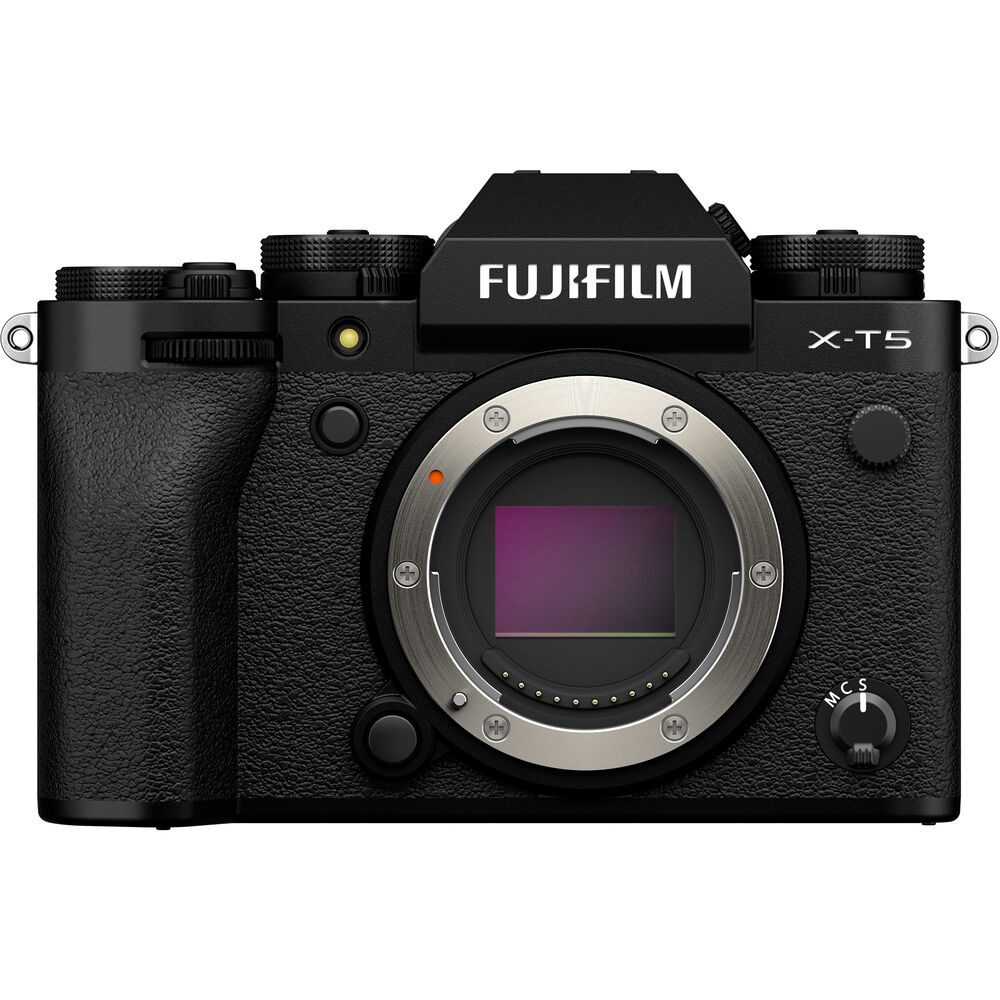 The X-T5 brings back the classic three-way tilting LCD that photographers loved from earlier X-T models, opting for a design optimized for photography rather than the fully articulating screen that video-focused users preferred on the X-T4. This design choice signals Fujifilm's commitment to still photography, and it shows in every aspect of the camera's performance. The 40-megapixel sensor provides incredible cropping flexibility, effectively giving you multiple focal lengths from a single frame. When paired with Fujifilm's excellent APS-C lens lineup, you get a system that's significantly lighter and more compact than comparable full frame setups while delivering image quality that's essentially indistinguishable in real-world use.
What truly sets the X-T5 apart is Fujifilm's film simulation modes, which have evolved into sophisticated color grading tools. Options like Nostalgic Negative mode alongside classics like Classic Chrome and Acros give you professional-grade looks straight out of camera. These aren't just Instagram filters; they're carefully calibrated color profiles that can save hours in post-processing. The camera delivers approximately 580 shots per charge in normal mode and includes up to 7 stops of in-body image stabilization, making it a reliable companion for extended shooting sessions. The camera also includes a 20-shot pixel-shift multi-shot mode that creates 160-megapixel images, matching medium format resolution (though not the color depth or dynamic range) while maintaining the portability advantages of APS-C.
Canon EOS R7
Canon's EOS R7 represents the perfect evolution of their legendary 7D DSLR series into the mirrorless age. This camera is built for speed and precision, delivering 30 frames per second with the electronic shutter and 15 fps with the mechanical shutter. The 32.5-megapixel sensor strikes an ideal balance between resolution and performance, providing excellent image quality while maintaining the fast readout speeds necessary for tracking fast-moving subjects.
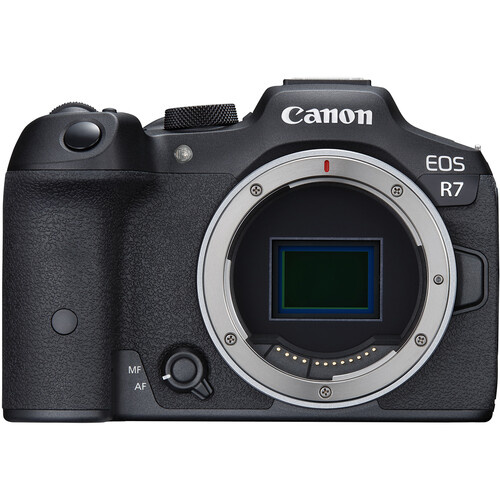 The R7's autofocus system borrows heavily from Canon's flagship cameras, featuring Dual Pixel CMOS AF II with subject detection for people, animals, and vehicles. This sophisticated system covers approximately 100% on both horizontal and vertical axes with 651 AF zones, ensuring your subject stays sharp whether you're photographing birds in flight or your kids playing sports. The 1.6x crop factor that full frame devotees often dismiss as a limitation becomes a major advantage here, as your 100-400mm lens effectively becomes a 160-640mm powerhouse, giving you incredible reach for wildlife and sports photography at a fraction of the cost and weight of equivalent full frame systems.
Canon has also equipped the EOS R7 with professional-grade video capabilities that rival much more expensive cameras. It shoots uncropped 4K video at 30p using the full width of the sensor with 7K oversampling, while 4K/60p recording uses a 1.08x crop. The camera supports 10-bit internal recording and Canon Log 3 for serious color grading work. The five-axis in-body image stabilization provides up to 7 stops of compensation with RF-S lenses (or up to 8 stops when paired with full frame RF lenses), making handheld shooting possible in situations that would typically require a tripod. For photographers and videographers who need a versatile, fast, and reliable workhorse that doesn't break the bank, the R7 delivers flagship performance in a compact, affordable package.
Ricoh GR IIIx
The Ricoh GR IIIx might be the most specialized camera on this list, but it's also one of the most compelling arguments for APS-C sensors. This tiny marvel packs a 24.2-megapixel APS-C sensor into a body smaller than most smartphones, creating a street photography machine that's virtually invisible in use. The fixed 26.1mm f/2.8 lens (40mm equivalent) delivers exceptional sharpness across the entire frame, proving that you don't need interchangeable lenses to create stunning images.
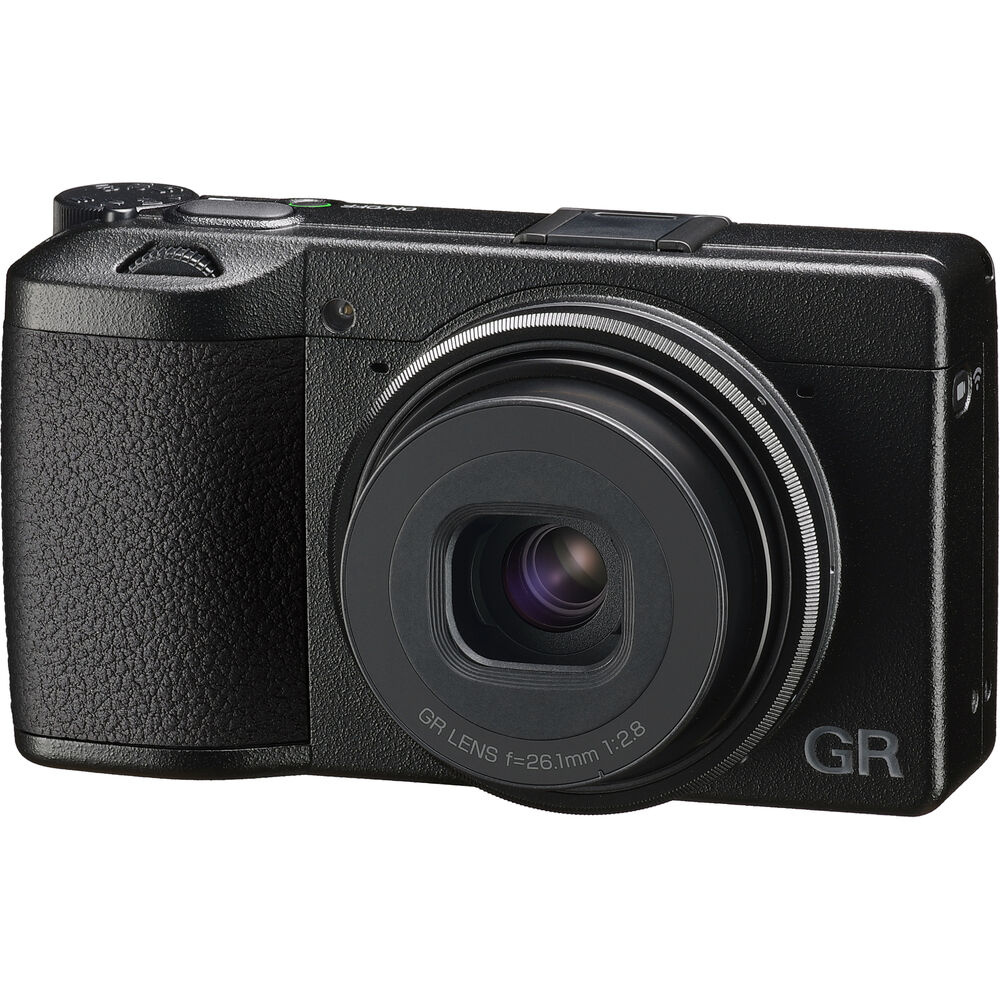 What makes the GR IIIx special is its commitment to the fundamentals of photography. There's no viewfinder, no grip, and no unnecessary features—just pure, uncompromising image quality in the smallest possible package. The 40mm focal length provides a natural field of view that's perfect for environmental portraits, street scenes, and travel photography. Unlike the original GR III's 28mm lens, the IIIx's longer focal length creates more natural perspective and better separation between subjects and backgrounds.
The camera's three-axis stabilization system provides 4 stops of shake reduction, remarkable for such a compact body. This allows for sharp handheld shots at surprisingly slow shutter speeds, expanding your creative possibilities in low light. The GR IIIx also includes unique features like an anti-aliasing filter simulator that can be adjusted based on your subject matter and extensive in-camera raw processing capabilities. For photographers who value portability above all else, or who want a camera that never draws attention to itself, the GR IIIx proves that the best camera is often the one you'll actually carry and use every day.
Nikon Zfc
The Nikon Zfc brings classic film camera aesthetics into the digital age while proving that style and substance can coexist beautifully. Inspired by the iconic Nikon FM2 from 1982, this camera combines vintage looks with modern APS-C mirrorless technology, creating something that's both nostalgic and thoroughly contemporary. The dedicated ISO, shutter speed, and exposure compensation dials on the top plate provide tactile control that's missing from most modern cameras, making manual exposure adjustments intuitive and satisfying.
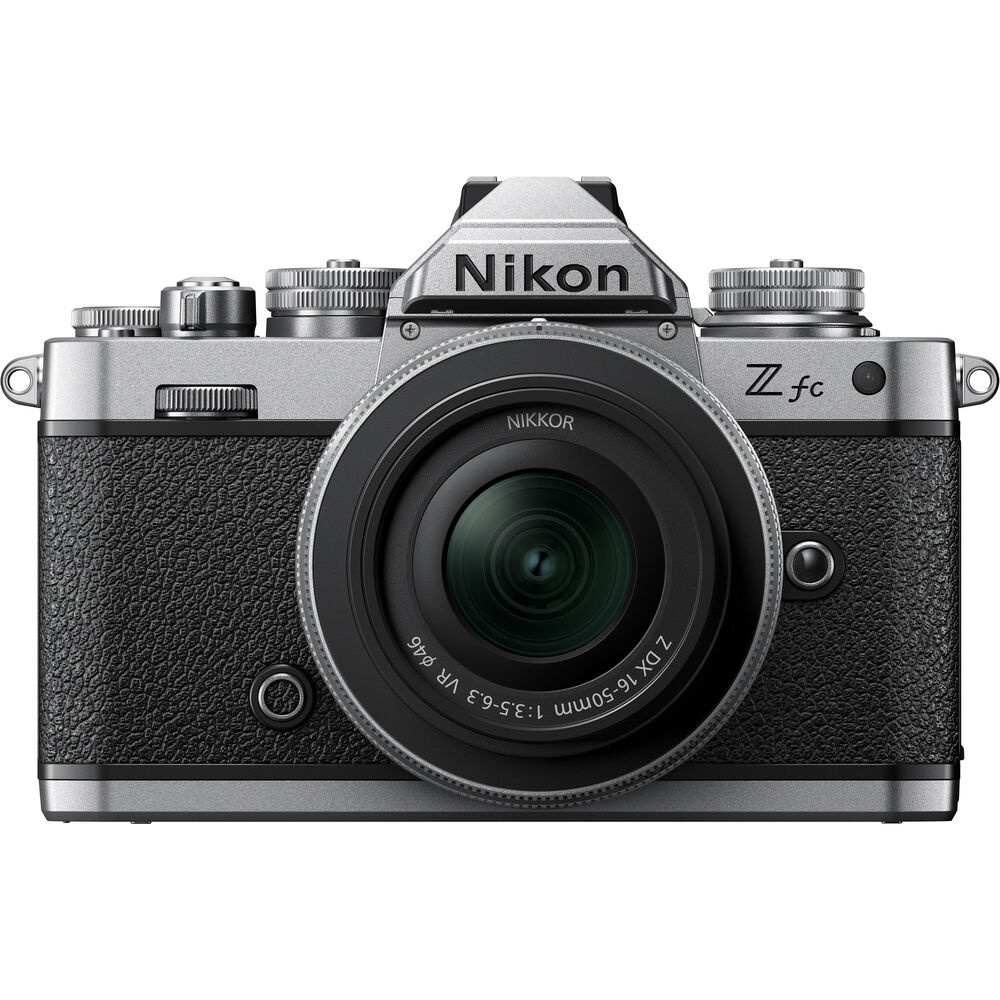 Under its retro exterior, the Zfc shares its 20.9-megapixel sensor and processing engine with Nikon's Z50, delivering excellent image quality with clean performance up to ISO 3200 and usable results even higher. The camera's 209-point hybrid autofocus system covers approximately 87% of the frame width and 85% height, with eye detection for humans, dogs, and cats, ensuring sharp portraits whether you're shooting people or pets. What sets the Zfc apart from other retro-styled cameras is its fully articulating touchscreen, which makes it equally capable for traditional photography and modern content creation including vlogging and social media.
The Zfc represents Nikon's understanding that camera ergonomics matter just as much as specifications. The mechanical dials provide immediate feedback about your camera settings even when the camera is turned off, encouraging a more thoughtful approach to photography. The camera shoots 4K video at 30p using the full width of its APS-C sensor and includes features like live streaming capabilities and a 3.5mm microphone input for external audio recording, though it lacks a headphone jack for monitoring. Image stabilization comes from compatible lenses like the Z 16-50mm f/3.6-6.3 VR, as the camera body itself does not include in-body stabilization. Available in numerous color combinations including limited editions, the Zfc proves that APS-C cameras can be both functional tools and desirable objects that you'll be proud to carry and use.
Sony ZV-E10 II
Sony's ZV-E10 II transforms the vlogging camera concept into something that serious photographers should take notice of. This second-generation model packs the same 26-megapixel BSI CMOS sensor found in Sony's acclaimed a6700, delivering image quality that rivals cameras costing significantly more. The ZV-E10 II proves that cameras designed for content creators can excel at traditional photography while offering video capabilities that put dedicated camcorders to shame.
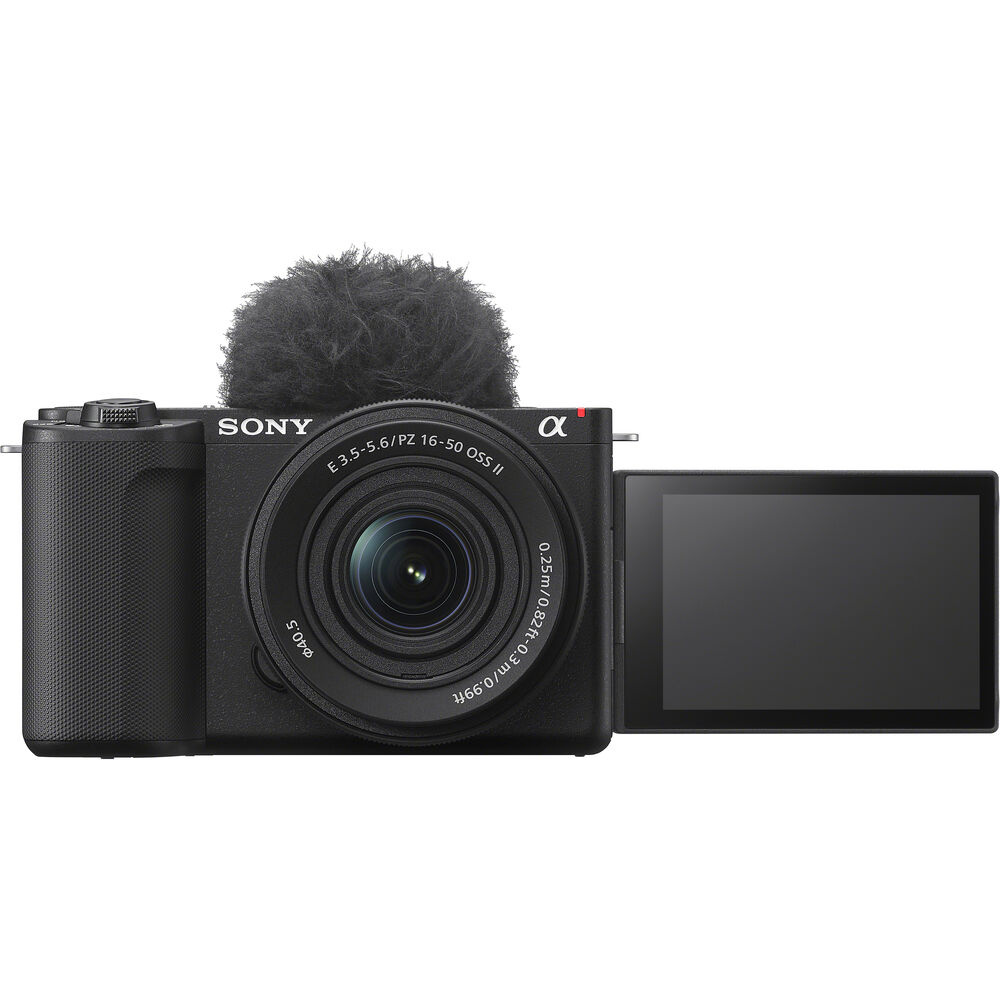 The standout feature is the camera's blazing-fast sensor readout, which enables 4K video recording at 60 frames per second with 6K oversampling for exceptional detail and sharpness. The 4K/30p mode uses the full width of the sensor, while 4K/60p recording employs a 1.1x crop. Unlike its predecessor, which had to crop the sensor significantly for 4K/30p recording, the ZV-E10 IIuses much more of its sensor area for all video modes, while dramatically reducing rolling shutter issues that plagued the original model. The autofocus system features 759 phase-detection points covering 94% of the frame, with Sony's latest real-time tracking and subject recognition for humans, animals, and vehicles.
What makes the ZV-E10 II special for photographers is how it combines professional-grade specs with an incredibly user-friendly interface. The flip-out screen makes it perfect for self-portraits and awkward angles, while the simplified control layout encourages experimentation rather than getting lost in menus. The camera supports 4:2:2 10-bit recording internally, S-Cinetone and S-Log3 profiles for professional color grading, and includes creative look presets that rival Fujifilm's film simulations. For stabilization, the camera relies entirely on optical stabilization from compatible OSS lenses or Sony's "Active Mode" digital stabilization, which provides steady footage with a slight crop—there is no in-body sensor stabilization. Sony has also improved the battery life significantly with their larger Z-series battery, delivering 610 stills or up to 195 minutes of continuous video recording. Weighing just 377 grams with battery, the ZV-E10 II delivers flagship performance in a compact, approachable package perfect for creators who need a camera that excels at both stills and video.
Why APS-C Still Makes Perfect Sense
These five cameras demonstrate that many of the supposed advantages of full frame sensors have been largely narrowed by modern APS-C technology. Today's crop sensors deliver clean images approaching full frame quality in many real-world situations, with usable performance at ISO 6400 and beyond, while faster aperture lenses designed specifically for APS-C can create depth of field effects that rival full frame systems.
More importantly, APS-C cameras offer practical advantages that full frame simply can't match. They're significantly smaller and lighter, making them ideal for travel, street photography, and any situation where discretion matters. The crop factor provides extra reach for telephoto work, effectively turning every lens into a longer focal length. And perhaps most significantly, APS-C systems are more affordable across the board—not just the camera bodies, but the lenses, accessories, and overall investment required to build a complete system.“


No comments:
Post a Comment
Note: Only a member of this blog may post a comment.